-

Generative AI in cybersecurity: Uses, benefits, and risks
Security teams process large volumes of alerts and logs, making manual analysis difficult to scale. Generative AI helps summarize and contextualize this data and supports incident response. While it c...
-
What is a data leak? Causes, signs, and how to protect your data
A data leak is one of the most common ways sensitive information becomes accessible to people who were never supposed to see it. Usually, it’s because of a misconfiguration, a mistake, or an acc...
-
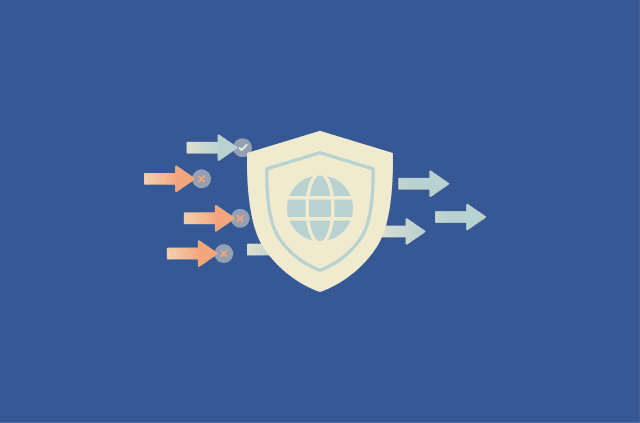
What is a secure web gateway (SWG)?
Work no longer happens within a single trusted network. Users access apps, files, and accounts from home networks, public Wi-Fi, and personal devices, making it harder to distinguish normal activity f...
-

Social media privacy: How to protect your data online
Social media privacy goes beyond who can see a post. Platforms can also track how long someone pauses on a video, which links they tap, and interactions that occur through ads or tracking technologies...
-

Is PayPal safe? What you need to know before you send money
PayPal has over 400 million active accounts worldwide, making it one of the most widely used online payment platforms. That scale also makes it a common target for scams and account abuse. The platfor...
-

How to remove malware from iPhone and prevent it from coming back
Traditional self-spreading malware is uncommon on iOS. That said, iPhones aren’t immune to malware, and jailbroken devices can be more vulnerable since many built-in protections are removed. In this...
-
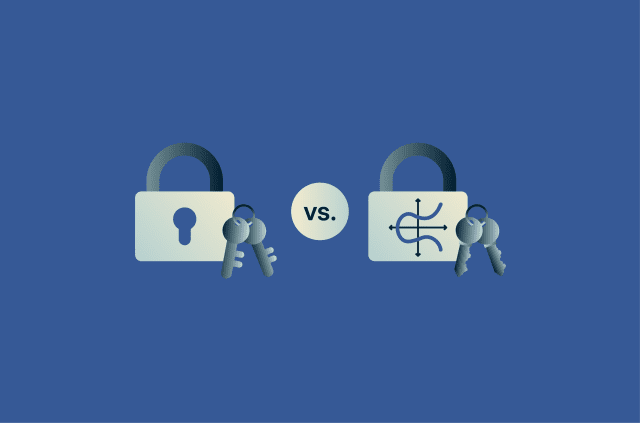
ECDSA vs. RSA: Security, compatibility, and key size compared
Rivest-Shamir-Adleman (RSA) and Elliptic Curve Digital Signature Algorithm (ECDSA) underpin everyday security, including website authentication, app login verification, and software updates verified b...
-
What is a burner email? How it works and when to use one
Many platforms require an email address, and accounts can accumulate across websites, apps, services, and one-time downloads. Over time, repeated signups can lead to a high volume of unwanted messages...
-
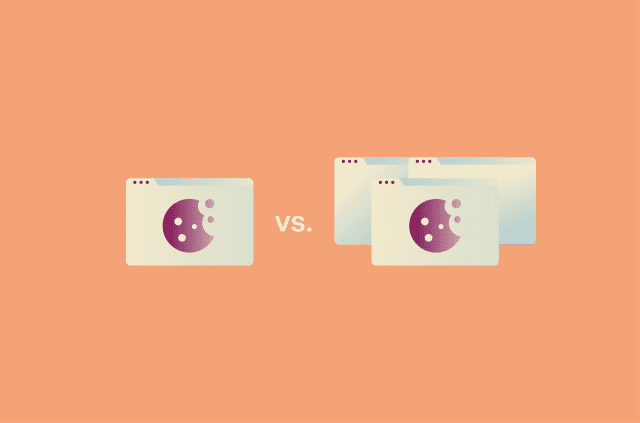
Third-party vs. first-party cookies: What’s the difference and why does it matter?
First and third-party cookies are different ways websites store and access data in your web browser. First-party cookies are set and used by the website you visit, while third-party cookies come from ...
-
How to kick people off your Wi-Fi and stop them coming back
Your Wi-Fi network connects all the devices in your home, from phones and laptops to smart TVs and other connected devices. When an unknown or untrusted device joins that network, it doesn’t just us...
Featured