-
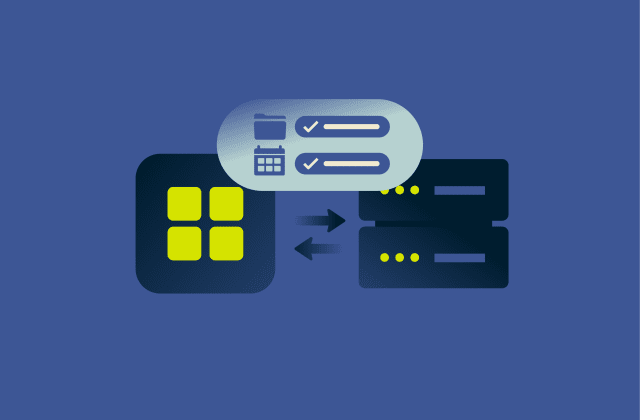
What is OAuth 2.0, and how does it work
Modern apps rarely operate in isolation. Email clients connect to calendars, productivity tools link to cloud storage, and apps request access to existing accounts instead of creating new logins. Thes...
-

XDR in cybersecurity: What it is and why it matters
Extended detection and response (XDR) is a cybersecurity framework designed to help organizations keep up with complex, multi-stage attacks. As threats move across endpoints, networks, cloud services,...
-
Ryuk ransomware: Attack methods, impact, and prevention
Ryuk was a Windows-focused ransomware that spread through email spam (malspam) and phishing. After infection, it encrypted files on the victim’s system and demanded a ransom to decrypt them. Ryuk at...
-
What is browser hijacking? How it works and how to stop it
When a browser keeps redirecting to unexpected websites or floods the user with pop-up ads, it could signal the presence of browser hijacking software. This can disrupt the browsing experience, and wh...
-

What is a private network, and why do you need it?
Some networks are built for open access. Others are built to restrict access: containing traffic, limiting entry points, and controlling who and what can connect. That difference affects whether inter...
-
What is threatware? A complete guide to risks and protection
Threatware is a catch-all term representing any malicious software or tool designed to harm, exploit, or compromise systems, data, or networks. It includes viruses, ransomware, spyware, Trojans, worms...
-

What are Google dorks? A complete guide to risks and safe use
Google is designed to help people find useful information. But with the right search operators, it can also pull up results that are harder to discover with a generic search, like certain login pages ...
-

Nation-state cyber actors: Who they are and why they matter
Reporting on state-linked cyber operations is frequent and often high-stakes, yet the terminology, attribution, and strategic context can be difficult to interpret consistently. Nation-state cyber act...
-
What makes polymorphic viruses so hard to detect?
Polymorphic viruses are designed to evade security tools while infecting devices, systems, and networks. The first step to avoiding these threats is understanding how they work. Note: Trying to replic...
-
What is cyber threat hunting, and how does it work?
A virus or malware that infects your system doesn’t always attack right away. Advanced and targeted threats can lie dormant, collecting data, searching for sensitive information, or stealing credent...